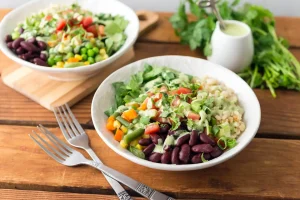
Balanced vegetarian cooking is not about strict rules or complicated meal plans. For most people, it simply means preparing everyday meals that include a variety of plant-based foods so the body gets what it needs to function well. Many beginners worry that vegetarian meals may feel incomplete, repetitive, or difficult to balance. In reality, vegetarian cooking can be simple, satisfying, and well-rounded when approached the right way.
This article focuses on how to cook balanced vegetarian meals at home using familiar ingredients, easy methods, and realistic routines that fit daily life.
Understanding What “Balanced” Means in Vegetarian Cooking
A balanced vegetarian meal includes a mix of different food groups rather than relying on a single ingredient. Instead of focusing on restrictions, balanced cooking emphasizes variety and moderation.
In everyday vegetarian cooking, balance usually comes from combining:
- Grains for energy
- Vegetables for variety and flavor
- Plant-based proteins for fullness
- Healthy fats for taste and satisfaction
You don’t need to measure or track anything closely. Simple combinations prepared consistently can naturally support daily nutrition needs.
Core Food Groups in Balanced Vegetarian Meals
Knowing the basic building blocks of vegetarian meals makes daily cooking much easier.
Grains as the Foundation of Daily Meals
Grains are often the base of vegetarian cooking because they are filling, affordable, and easy to prepare.
Common options include:
- Rice, pasta, and bread
- Oats and barley
- Whole grains like brown rice or quinoa
Grains work well with vegetables, lentils, and sauces, making them ideal for daily meals.
Vegetables for Variety and Everyday Balance
Vegetables add color, texture, and flavor to meals. Using a mix of vegetables helps prevent meals from feeling repetitive.
Simple ways to include vegetables daily:
- Add vegetables to rice or pasta dishes
- Use mixed vegetables in stir-fries
- Include cooked vegetables as side dishes
Seasonal vegetables are often easier to cook with and more affordable.
Plant-Based Protein Sources for Vegetarian Cooking
Protein is a common concern for beginners, but vegetarian cooking offers many easy options.
Beginner-friendly plant protein sources include:
- Lentils and beans
- Chickpeas and peas
- Dairy or plant-based alternatives if used
You don’t need protein in large amounts at every meal. Including it regularly throughout the day is usually enough.
Healthy Fats for Flavor and Satisfaction
Fats help meals feel complete and enjoyable.
Simple vegetarian fat sources include:
- Cooking oils
- Nuts and seeds
- Nut butters
Using small amounts improves taste without complicating recipes.
Planning Balanced Vegetarian Meals Without Stress
Meal planning doesn’t need to be rigid or time-consuming. A flexible approach works best for daily life.
The Simple Plate Method for Vegetarian Meals
A practical way to think about balance is to divide the plate loosely:
- One part grains
- One part vegetables
- One part protein-rich foods
This method works for lunch and dinner and helps guide portions naturally.
Rotating Ingredients to Avoid Repetition
Eating the same meals every day can become boring. Rotation keeps things interesting without extra effort.
Easy rotation ideas:
- Switch rice with pasta or flatbread
- Change vegetables based on season
- Alternate lentils and beans
Small changes can refresh familiar meals.
Balanced Vegetarian Breakfast Ideas for Daily Routines
Breakfast sets the tone for the day, and vegetarian options can be simple and filling.
Grain-Based Vegetarian Breakfasts
Grains work well for morning meals.
Easy ideas include:
- Oatmeal with fruit and nuts
- Toast with spreads and vegetables
- Porridge made with grains and seeds
These meals are quick to prepare and easy to customize.
Adding Protein to Vegetarian Breakfasts
Including a protein source at breakfast helps meals feel more complete.
Beginner-friendly options:
- Yogurt or plant-based alternatives
- Nut butters
- Lentil-based pancakes or spreads
Even small additions can make a difference.
Balanced Vegetarian Lunch Meals for Home Cooking
Lunch meals should provide energy without feeling too heavy.
Rice and Vegetable Lunch Bowls
Rice bowls are easy to assemble and store well.
Simple combinations include:
- Rice with lentils and vegetables
- Vegetable fried rice
- Rice with beans and sautéed greens
These meals are ideal for leftovers and meal prep.
Balanced Vegetarian Sandwiches and Wraps
Sandwiches can be balanced with the right fillings.
Good filling ideas:
- Beans or lentil spreads
- Vegetables with cheese or alternatives
- Hummus with fresh or cooked vegetables
Adding vegetables and protein makes sandwiches more satisfying.
Balanced Vegetarian Dinners for Everyday Cooking
Dinner meals often bring everything together.
One-Pot Balanced Vegetarian Dinners
One-pot meals are practical and reduce cleanup.
Examples include:
- Vegetable and lentil stews
- Rice cooked with vegetables and beans
- Pasta with vegetables and simple sauces
These meals naturally combine grains, vegetables, and protein.
Stir-Fried Vegetarian Meals with Balance
Stir-fries are fast and adaptable.
Basic structure:
- Cook vegetables in oil
- Add protein source like beans or tofu
- Serve with grains or noodles
This method works with many ingredient combinations.
Snacks and Small Meals That Support Balance
Snacks help maintain energy between meals.
Balanced Vegetarian Snack Ideas
Simple snack options include:
- Fruit with nuts
- Roasted chickpeas
- Yogurt with seeds
These snacks are easy to prepare and store.
Light Meals for Evenings or Busy Days
Light vegetarian meals can still feel balanced.
Options include:
- Vegetable soups with bread
- Simple salads with grains
- Steamed vegetables with spreads
These meals work well when appetite is lower.
Common Mistakes in Vegetarian Cooking and How to Avoid Them
Understanding common challenges helps beginners stay consistent.
Relying Too Much on One Food Group
Eating mostly grains or only vegetables can lead to unbalanced meals. Combining food groups improves variety and satisfaction.
Overcomplicating Recipes
Complex recipes can make cooking feel overwhelming. Simple meals prepared consistently are more sustainable.
Ignoring Meal Timing
Skipping meals or eating irregularly can affect energy levels. Simple planning helps maintain a steady routine.
Budget-Friendly Balanced Vegetarian Cooking
Balanced vegetarian cooking doesn’t have to be expensive.
Money-saving tips:
- Buy grains and legumes in bulk
- Choose seasonal vegetables
- Cook larger portions and reuse leftovers
Home cooking naturally reduces food costs when planned well.
Making Balanced Vegetarian Cooking a Daily Habit
The key to long-term success is consistency. Start with a few balanced meals you enjoy and repeat them throughout the week. Over time, new ideas will naturally fit into your routine.
Balanced vegetarian cooking is not about perfection. It’s about creating meals that feel practical, enjoyable, and sustainable for everyday life.
Conclusion
Balanced vegetarian cooking for daily nutrition needs is achievable with simple ingredients, basic planning, and realistic expectations. By combining grains, vegetables, plant-based proteins, and healthy fats, everyday meals can feel complete without being complicated. Focusing on variety, flexibility, and consistency makes vegetarian cooking easier to maintain and more enjoyable over time. With a balanced approach, vegetarian meals can fit smoothly into daily home cooking routines.
FAQs
What makes a vegetarian meal balanced?
A balanced vegetarian meal usually includes grains, vegetables, and a protein source, with small amounts of healthy fats for flavor and satisfaction.
Is balanced vegetarian cooking suitable for beginners?
Yes, beginners can easily prepare balanced vegetarian meals by using simple ingredients and basic cooking methods.
How can I balance vegetarian meals without planning too much?
Using the simple plate method and rotating ingredients helps maintain balance without detailed planning.
Can balanced vegetarian meals be affordable?
Yes, using grains, lentils, beans, and seasonal vegetables keeps costs low while supporting variety.
How often should I include protein in vegetarian meals?
Including a protein source regularly throughout the day, rather than in large amounts at one meal, works well for most people.