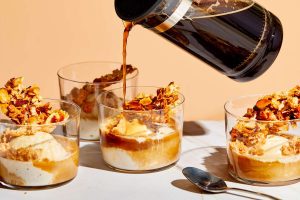
Baking at home can feel intimidating, especially when you’re trying to make desserts that are both delicious and healthier. Many beginner bakers worry about complicated recipes, expensive ingredients, or ending up with desserts that taste “too healthy” to enjoy. The truth is, you don’t need professional skills or fancy tools to create sweet treats that are lighter, nourishing, and still satisfying. With a few simple techniques and beginner-friendly ideas, healthier baking can become enjoyable, stress-free, and rewarding.
This article is designed specifically for beginner home bakers who want to make better dessert choices without overwhelming themselves. You’ll learn practical tips, easy ingredient swaps, and simple dessert ideas that build confidence while delivering great taste.
Why Healthier Baking Is Perfect for Beginners
Healthier baking is often easier than traditional baking because it focuses on simplicity. Many classic dessert recipes rely on heavy amounts of sugar, butter, and refined flour, which require precise measurements and timing. Healthier alternatives tend to be more forgiving and flexible.
For beginners, healthier baking offers:
- Fewer ingredients
- Easier preparation steps
- Less pressure for “perfect” results
- More room for experimentation
Most importantly, healthier desserts are about balance, not restriction. You’re learning foundational baking skills while creating treats you can feel good about eating.
Understanding the Basics of Healthier Sweet Treats
Before jumping into recipes, it’s helpful to understand what makes a dessert healthier. This knowledge allows you to adapt recipes confidently as you gain experience.
A healthier sweet treat usually includes:
- Reduced refined sugar
- Natural sweetness from fruits or natural sweeteners
- Whole or minimally processed ingredients
- Balanced fats and fiber
This doesn’t mean eliminating sweetness or richness. Instead, it’s about creating desserts that provide flavor without excess.
Simple Ingredient Swaps Every Beginner Should Know
Ingredient swaps are the backbone of healthier baking. These changes are easy, beginner-friendly, and don’t require advanced knowledge.
Easy Sweetener Swaps
- Replace white sugar with mashed bananas, dates, or applesauce
- Use honey or maple syrup in smaller amounts
- Reduce sugar by 25–30% in most recipes without affecting taste
Better Flour Options
- Mix whole wheat flour with all-purpose flour
- Use oat flour made by blending oats at home
- Try almond flour in small portions for moisture
Healthier Fat Choices
- Swap part of the butter with Greek yogurt
- Use nut butter instead of oil
- Add mashed avocado to chocolate-based desserts
These swaps improve nutritional value while keeping desserts beginner-friendly.
No-Fail Healthier Sweet Treats for First-Time Bakers
Starting with simple recipes builds confidence and prevents frustration. These ideas require minimal steps and basic kitchen tools.
Baked Fruit Desserts
Baking fruit naturally enhances sweetness without added sugar. Apples, pears, peaches, and bananas work beautifully.
Simple steps:
- Chop fruit into bite-sized pieces
- Sprinkle with cinnamon
- Bake until soft and caramelized
This is one of the easiest ways to create a warm, comforting dessert.
Yogurt-Based Treats
Greek yogurt adds creaminess and protein, making desserts more filling.
Beginner ideas include:
- Yogurt parfaits with fruit and nuts
- Frozen yogurt bark with berries
- Yogurt and honey popsicles
These recipes require little to no baking experience.
Healthier Cookies That Are Beginner-Proof
Cookies are often a beginner’s first baking project—and healthier versions are surprisingly forgiving.
Oat-Based Cookies
Oats add fiber and structure, making cookies harder to mess up.
Basic concept:
- Oats + mashed banana or nut butter
- Optional dark chocolate chips or raisins
- Bake until lightly golden
These cookies don’t require precision and still taste indulgent.
Beginner-Friendly Healthier Cakes and Muffins
Cakes and muffins may sound advanced, but simple healthier versions are great for learning basic baking techniques.
Banana or Apple Muffins
Using fruit as the main sweetener reduces sugar while adding moisture.
Why they work for beginners:
- Easy mixing method
- Flexible ingredient ratios
- Less likely to dry out
Stick to simple flavors like banana, apple-cinnamon, or blueberry for best results.
No-Bake Sweet Treats for Zero Baking Stress
If baking feels intimidating, no-bake desserts are a perfect entry point.
Easy No-Bake Ideas
- Energy balls made with oats and dates
- Chia pudding with milk and fruit
- Peanut butter and dark chocolate clusters
These recipes focus on mixing and chilling rather than baking, making them ideal for beginners.
Making Chocolate Desserts Healthier Without Losing Flavor
Chocolate is often the hardest dessert to give up, but it can absolutely be part of healthier baking.
Beginner Tips for Healthier Chocolate Treats
- Choose dark chocolate with higher cocoa content
- Use cocoa powder instead of chocolate syrup
- Balance sweetness with natural ingredients like fruit
Chocolate banana muffins or oatmeal brownies are excellent starting points.
Portion Control: A Skill Every Beginner Should Learn
Even healthier desserts should be enjoyed mindfully. Portion control is an easy habit to build early.
Simple Portion Strategies
- Bake smaller batches
- Use mini muffin tins
- Serve desserts in small bowls or plates
This approach allows you to enjoy treats regularly without overindulging.
Common Beginner Baking Mistakes and How to Avoid Them
Every beginner makes mistakes—it’s part of learning. Knowing common pitfalls helps you avoid frustration.
Mistakes to Watch Out For
- Changing too many ingredients at once
- Expecting “healthy” to taste exactly like traditional desserts
- Overbaking due to fear of undercooking
- Using artificial sweeteners excessively
Start simple, make one change at a time, and allow your skills to grow naturally.
How Healthier Baking Builds Long-Term Confidence
Healthier baking teaches adaptable skills rather than rigid rules. You learn how ingredients work together, how flavors balance, and how to trust your instincts in the kitchen.
Over time, beginner bakers often find they:
- Rely less on strict recipes
- Feel confident experimenting
- Develop a healthier relationship with desserts
These skills extend far beyond baking and support better overall eating habits.
Frequently Asked Questions
1. Can beginners really make healthier desserts successfully?
Yes. Healthier recipes are often more forgiving and flexible, making them ideal for beginners.
2. Do healthier sweet treats taste bland?
Not at all. When made correctly, they’re flavorful, balanced, and satisfying without being overly sweet.
3. Is special equipment needed for healthier baking?
No. Most recipes require basic tools like a bowl, spoon, and oven or refrigerator.
4. Can healthier desserts be kid-friendly?
Absolutely. Using familiar flavors like banana, chocolate, and peanut butter makes them appealing to all ages.
5. How often can I eat healthier sweet treats?
They can be enjoyed regularly in moderation, especially when made with whole, balanced ingredients.
Conclusion
Healthier sweet treats don’t have to be complicated, intimidating, or boring—especially for beginner home bakers. By starting with simple recipes, using smart ingredient swaps, and focusing on balance rather than perfection, anyone can create desserts that taste great and feel good to eat. Healthier baking builds confidence, encourages mindful eating, and makes dessert a positive part of everyday life. With practice, patience, and a willingness to experiment, beginner bakers can enjoy sweet treats that support both their skills and their well-being. The journey doesn’t require expert techniques—just curiosity and a love for simple, satisfying flavors.