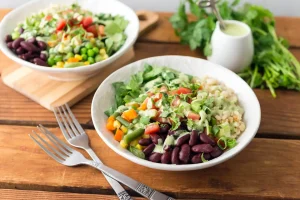
Switching to plant-based cooking at home can feel overwhelming at first, especially if you’re used to quick meals or traditional recipes. Many beginners worry that plant-based meals are bland, complicated, or require hard-to-find ingredients. In reality, simple plant-based recipes can be some of the easiest and most comforting meals to prepare. With a few basic ingredients and easy methods, anyone can cook satisfying plant-based food at home without stress.
This guide is designed for beginners who want practical, everyday plant-based recipes that fit into normal home routines.
Understanding Plant-Based Cooking for Beginners
Plant-based cooking focuses on meals made from vegetables, fruits, grains, legumes, nuts, and seeds. For beginners, this doesn’t mean eliminating familiar foods overnight. Instead, it’s about building meals around simple plant ingredients that are already easy to find and cook.
Plant-based meals are flexible. You can keep flavors mild or bold, portions small or filling, and cooking methods simple. Once you understand a few basics, cooking plant-based food at home becomes second nature.
Basic Ingredients Every Beginner Should Start With
Before trying recipes, having a small set of reliable ingredients makes everything easier.
Pantry Staples for Simple Plant-Based Recipes
You don’t need a fully stocked gourmet pantry. These basics cover most beginner recipes:
- Rice, pasta, oats, or other grains
- Lentils, chickpeas, and beans
- Cooking oil, salt, and pepper
- Garlic, onions, and basic spices
These ingredients form the foundation of many simple plant-based meals.
Fresh Ingredients That Work in Many Recipes
Keeping a few versatile vegetables on hand allows you to cook without planning too much:
- Potatoes, carrots, and tomatoes
- Spinach, cabbage, or leafy greens
- Bell peppers, zucchini, or seasonal vegetables
Fresh ingredients can be swapped easily based on availability.
Easy Plant-Based Breakfast Recipes for Beginners
Breakfast is a great place to start with plant-based cooking because the recipes are usually simple and quick.
One-Bowl Plant-Based Breakfast Ideas
One-bowl meals save time and effort while keeping things filling.
Popular beginner options include:
- Oatmeal cooked with water or plant milk and topped with fruit
- Smoothie bowls with bananas, berries, and seeds
- Warm porridge with nuts and cinnamon
These meals require minimal cooking skills and cleanup.
Simple Toast-Based Breakfasts
Toast is familiar and easy to customize.
Try these beginner-friendly ideas:
- Toast with mashed avocado and salt
- Peanut butter with sliced bananas
- Toast topped with sautéed vegetables
These options are quick and satisfying for busy mornings.
Simple Plant-Based Lunch Recipes at Home
Lunch meals should be filling but not heavy. Plant-based recipes can easily meet that balance.
Easy Rice and Grain-Based Meals
Grains form the base of many simple plant-based lunches.
Beginner-friendly combinations include:
- Rice with mixed vegetables and spices
- Quinoa with beans and sautéed vegetables
- Leftover rice turned into vegetable fried rice
These meals are great for meal prep and leftovers.
Lentil and Bean Recipes for Beginners
Lentils and beans are filling and easy to cook, even for beginners.
Simple ideas include:
- Basic lentil stew with onions and tomatoes
- Chickpea stir-fry with vegetables
- Mashed beans spread on bread or wraps
They require few ingredients and offer plenty of variety.
Plant-Based Wraps and Sandwiches
Wraps and sandwiches make plant-based lunches feel familiar.
Easy fillings include:
- Hummus and fresh vegetables
- Mashed chickpeas with spices
- Grilled vegetables with simple sauces
These meals are quick to assemble and easy to carry.
Easy Plant-Based Dinner Recipes for Beginners
Dinner doesn’t need to be complicated to feel complete.
One-Pot Plant-Based Dinners
One-pot meals reduce cleanup and simplify cooking.
Beginner-friendly options include:
- Vegetable and lentil soups
- Simple pasta with vegetables and oil
- Rice cooked with vegetables and spices
These meals are ideal for busy evenings.
Stir-Fried Plant-Based Meals
Stir-frying is one of the fastest ways to cook plant-based food.
Basic steps for beginners:
- Heat oil in a pan
- Add vegetables based on cooking time
- Season lightly and stir until cooked
Serve with rice or noodles for a complete meal.
Simple Potato and Vegetable Dishes
Potatoes are comforting and easy to cook.
Ideas include:
- Roasted potatoes with vegetables
- Mashed potatoes with sautéed greens
- Pan-fried potatoes with onions
These meals feel hearty without being complex.
Easy Plant-Based Snacks and Light Meals
Snacks are important for beginners trying to avoid packaged foods.
Homemade Plant-Based Snack Ideas
Simple snack options include:
- Roasted chickpeas with seasoning
- Fruit with nuts or seeds
- Toasted sandwiches with vegetables
These snacks are easy to prepare and store.
Light Evening Plant-Based Meals
For lighter meals, try:
- Vegetable soups
- Simple salads with grains
- Steamed vegetables with dipping sauces
These meals are gentle and quick to prepare.
Common Cooking Tips for Plant-Based Beginners
Starting small makes plant-based cooking easier and more enjoyable.
Keep Recipes Simple
Avoid complex recipes at first. Focus on meals with five to seven ingredients. Simple cooking builds confidence quickly.
Learn Basic Cooking Methods
Mastering a few methods helps with many recipes:
- Boiling grains and lentils
- Sautéing vegetables
- Roasting vegetables in the oven
Once these are familiar, recipes become easier to adapt.
Use Leftovers Creatively
Leftovers can be turned into new meals:
- Vegetables become sandwich fillings
- Lentils become soups or wraps
- Rice becomes stir-fried meals
This saves time and reduces waste.
Budget-Friendly Plant-Based Cooking at Home
Plant-based cooking can be affordable when done simply.
Buying grains and legumes in bulk lowers costs. Seasonal vegetables are often cheaper and fresher. Cooking at home also reduces spending on packaged plant-based products.
Planning meals ahead helps avoid unnecessary purchases and food waste.
Making Plant-Based Cooking a Daily Habit
Consistency matters more than perfection. Start with two or three simple plant-based recipes and repeat them throughout the week. Over time, you’ll naturally experiment with new flavors and ingredients.
Plant-based cooking doesn’t need to be strict or complicated. It’s about finding meals that fit your routine and taste preferences.
Conclusion
Simple plant-based recipes for beginners at home focus on ease, flexibility, and comfort. You don’t need advanced skills or expensive ingredients to enjoy satisfying plant-based meals. By using basic pantry items, familiar vegetables, and easy cooking methods, anyone can cook plant-based food confidently at home. Starting small and keeping recipes simple makes the transition smoother and more enjoyable for everyday life.
FAQs
Are plant-based recipes difficult for beginners?
No, many plant-based recipes are simpler than traditional meals. Using basic ingredients and easy methods makes them ideal for beginners.
How much time do simple plant-based meals take to prepare?
Most beginner-friendly plant-based meals can be prepared in 20 to 30 minutes, especially stir-fries and one-pot dishes.
Do I need special ingredients for plant-based cooking?
No, common grains, vegetables, lentils, and beans are enough to create many simple plant-based meals at home.
Can plant-based meals be filling?
Yes, meals made with grains, lentils, beans, and vegetables can be very satisfying when balanced properly.
How can beginners stay consistent with plant-based cooking?
Repeating a few easy recipes, planning meals ahead, and keeping ingredients simple helps maintain consistency.