Starting a healthier way of eating can feel overwhelming, especially if you’re a beginner. Many people assume nutritious meals require advanced cooking skills, expensive ingredients, or hours in the kitchen. This misconception often leads to frustration, giving up too early, or falling back on unhealthy convenience foods. The truth is, eating well doesn’t have to be complicated. With simple ingredients, basic techniques, and realistic expectations, anyone can prepare nutritious meals that fit into daily life. This guide is designed specifically for beginners who want practical, easy-to-follow meal ideas that support better health without stress or confusion.
Why Beginners Often Struggle With Nutritious Eating
One of the biggest challenges beginners face is information overload. Social media, diet trends, and conflicting advice make healthy eating seem complex and intimidating. People are often unsure what to cook, how much to eat, or which foods are actually healthy.
Another common issue is lack of confidence in the kitchen. Many beginners believe they need special tools or advanced recipes to eat nutritiously. In reality, simple meals made from everyday ingredients are often the most balanced and sustainable. Understanding that healthy eating is a skill you build over time—not something you master overnight—can remove a lot of pressure.
What Makes a Meal Nutritious and Beginner-Friendly
A nutritious meal doesn’t need to be perfect. At its core, it should provide energy, essential nutrients, and satisfaction. For beginners, the goal is simplicity and balance.
A beginner-friendly nutritious meal usually includes:
- A source of protein (eggs, beans, lentils, chicken, yogurt)
- Fiber-rich carbohydrates (vegetables, fruits, whole grains)
- Healthy fats (nuts, seeds, olive oil)
- Minimal processing and added sugars
Focusing on whole, familiar foods makes it easier to stay consistent and confident.
Easy Breakfast Ideas for a Healthy Start
Breakfast sets the tone for the rest of the day, yet many beginners skip it or rely on sugary options. A nutritious breakfast doesn’t need to be fancy or time-consuming.
Simple breakfast ideas include:
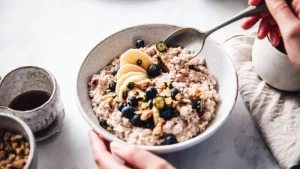
- Oatmeal cooked with milk or water, topped with fruit
- Boiled or scrambled eggs with whole-grain toast
- Yogurt with seeds and fresh fruit
- Smoothies made with banana, berries, and protein sources
These meals provide steady energy, help control hunger, and require minimal cooking skills.
Beginner-Friendly Lunch Ideas for Everyday Life
Lunch is often rushed, especially on workdays, leading many people to choose fast food or skip meals entirely. Preparing simple lunches can prevent energy crashes and improve focus.
Some easy and nutritious lunch options are:
- Rice or quinoa bowls with vegetables and beans
- Simple vegetable and chicken stir-fry
- Whole-grain sandwiches with eggs or grilled vegetables
- Lentil or chickpea salads with light dressing
These meals can be prepared in advance and customized based on taste preferences, making them ideal for beginners.
Simple Dinner Meals That Don’t Feel Overwhelming
Dinner is where many beginners feel the most pressure to “cook properly.” The good news is that nutritious dinners can be incredibly simple.
Beginner-friendly dinner ideas include:
- One-pan roasted vegetables with fish or chicken
- Vegetable omelets with a side of bread
- Simple soups made with lentils or vegetables
- Pasta with vegetables and a protein source
Using basic cooking methods like boiling, baking, or light sautéing keeps meals manageable and stress-free.
Nutritious Snacks for Beginners
Snacking often gets a bad reputation, but healthy snacks can support energy levels and prevent overeating later. Beginners should focus on snacks that are easy and satisfying.
Good beginner snack choices include:
- Fresh fruit with nuts
- Yogurt or cottage cheese
- Roasted peanuts or chickpeas
- Vegetable sticks with hummus
Keeping nutritious snacks available helps reduce reliance on processed foods.
Budget-Friendly Nutritious Meals for Daily Life
Many beginners worry that eating healthy is expensive. In reality, nutritious meals can be very budget-friendly when planned wisely.
Affordable staples like rice, lentils, beans, eggs, seasonal vegetables, and frozen produce are nutritious and versatile. Cooking at home and limiting packaged foods often saves money while improving overall diet quality.
Time-Saving Tips for Beginner Cooks
Time constraints are one of the biggest barriers to healthy eating. Beginners can save time by preparing ingredients in advance, cooking larger portions, and using leftovers creatively.
Simple strategies like chopping vegetables once for multiple meals or cooking grains in bulk can make daily cooking much easier. Over time, these habits become second nature and reduce daily stress.
How Nutritious Meals Support Long-Term Health
Eating nutritious meals consistently improves more than just physical health. People often notice better digestion, improved concentration, stable energy levels, and fewer cravings.
For beginners, focusing on daily nourishment rather than strict rules builds a healthier relationship with food. Sustainable habits lead to long-term benefits without burnout.
Common Mistakes Beginners Should Avoid
One common mistake is trying to change everything at once. Sudden, extreme changes are hard to maintain. Another mistake is labeling foods as “good” or “bad,” which can lead to guilt and inconsistency.
Beginners should aim for progress, not perfection. Small, realistic changes are far more effective than strict, short-term diets.
Frequently Asked Questions
1. Do I need cooking experience to eat nutritious meals?
No. Many nutritious meals require basic skills like boiling, frying, or mixing. You can start with very simple recipes and build confidence gradually.
2. How many meals should a beginner eat daily?
Most people benefit from three balanced meals and one or two snacks, but it depends on lifestyle and hunger levels.
3. Are simple meals still healthy?
Yes. Simple meals made with whole ingredients are often more nutritious than complex, heavily processed options.
4. Can I eat nutritious meals without expensive ingredients?
Absolutely. Affordable foods like lentils, rice, eggs, and seasonal vegetables provide excellent nutrition at low cost.
5. How long does it take to see benefits from eating better?
Many people notice improved energy and digestion within a few weeks of consistent nutritious eating.
Conclusion
Starting a nutritious eating routine doesn’t require expert knowledge or complicated recipes. Beginner-friendly meals focus on simplicity, balance, and consistency rather than perfection. By choosing familiar ingredients, basic cooking methods, and realistic habits, anyone can improve their daily diet with confidence. Nutritious meals support energy, focus, and overall well-being when practiced regularly. The key is to start small, stay patient, and build habits that fit your lifestyle. Healthy eating is a journey, and every simple, nourishing meal is a step in the right direction.