A few years ago, I decided I wanted to eat healthier. Like many people, I searched online for “healthy meals” and immediately felt overwhelmed. Every recipe seemed to include expensive ingredients, complicated steps, or strict diet rules.
Quinoa bowls, calorie tracking, special powders, and complicated meal plans made healthy eating feel like a full-time job.
So I gave up and returned to quick fast food and packaged snacks.
But eventually, I realized something important: healthy eating doesn’t need to be complicated or expensive. In fact, some of the most nutritious meals are the simplest ones.
Once I focused on balanced ingredients—proteins, vegetables, healthy carbs, and good fats—my meals became both healthier and easier to prepare.
In this guide, I’ll show you how to create healthy and nutritious meals at home, even if you’re a beginner cook with limited time.
Why Many People Struggle With Healthy Eating
Most people don’t fail at healthy eating because of lack of motivation. The real problems are:
-
Overly complicated meal plans
-
Expensive ingredients
-
Lack of cooking knowledge
-
Limited time for meal preparation
Many people think healthy food must be bland or difficult to cook. But in reality, healthy meals can be simple, affordable, and flavorful.
The key is understanding basic nutrition and balanced meals.
What Makes a Meal Healthy and Nutritious?
A healthy meal typically contains four important components:
1. Lean Protein
Protein helps build muscle, repair body tissues, and keeps you full longer.
Examples include:
-
Chicken
-
Eggs
-
Fish
-
Beans
-
Lentils
-
Greek yogurt
-
Tofu
2. Complex Carbohydrates
Carbohydrates provide energy. The key is choosing complex carbs instead of refined ones.
Better carb options include:
-
Brown rice
-
Oats
-
Whole wheat bread
-
Sweet potatoes
-
Quinoa
These digest slowly and help maintain stable energy levels.
3. Healthy Fats
Healthy fats support brain function and heart health.
Examples:
-
Olive oil
-
Avocados
-
Nuts
-
Seeds
-
Fatty fish (salmon)
The goal isn’t to avoid fats—it’s to choose the right ones.
4. Fruits and Vegetables
Vegetables and fruits provide essential nutrients like:
-
Vitamins
-
Minerals
-
Fiber
-
Antioxidants
Nutrition experts often recommend filling half your plate with vegetables.
Step-by-Step Method to Build Healthy Meals at Home
When I started using this simple formula, healthy cooking became much easier.
Step 1: Choose Your Protein
Pick one main protein source.
Examples:
-
Grilled chicken
-
Boiled eggs
-
Lentils
-
Baked fish
-
Beans
Protein forms the base of your meal.
Step 2: Add Vegetables
Add at least one or two vegetables.
Easy options include:
-
Spinach
-
Broccoli
-
Carrots
-
Bell peppers
-
Tomatoes
Vegetables can be steamed, sautéed, roasted, or eaten raw.
Step 3: Add Healthy Carbs
Include a moderate portion of complex carbohydrates.
Examples:
-
Brown rice
-
Whole wheat pasta
-
Sweet potatoes
-
Oats
This provides sustained energy.
Step 4: Include Healthy Fats
A small amount of healthy fat improves flavor and nutrition.
Examples:
-
Olive oil drizzle
-
Handful of nuts
-
Avocado slices
5 Easy Healthy Meals You Can Make at Home
These simple meals helped me build a healthier routine without spending hours in the kitchen.
1. Vegetable Omelette with Whole Wheat Toast
This quick breakfast is high in protein and nutrients.
Ingredients
-
2 eggs
-
Chopped spinach
-
Tomatoes
-
Onion
-
1 slice whole wheat bread
-
Olive oil
Instructions
-
Beat eggs in a bowl.
-
Add chopped vegetables.
-
Heat olive oil in a pan.
-
Cook the egg mixture for 2–3 minutes.
-
Serve with toasted whole wheat bread.
2. Grilled Chicken and Brown Rice Bowl
A balanced meal that keeps you full for hours.
Ingredients
-
Grilled chicken breast
-
1 cup brown rice
-
Steamed broccoli
-
Olive oil
-
Lemon juice
Instructions
-
Cook brown rice according to package instructions.
-
Grill chicken with salt and pepper.
-
Steam broccoli.
-
Combine everything in a bowl and drizzle olive oil and lemon.
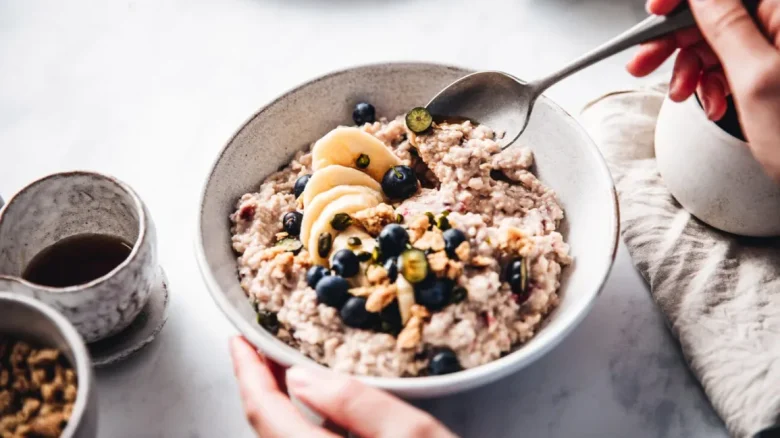
3. Healthy Oatmeal Breakfast Bowl
Oatmeal is one of the easiest nutritious breakfasts.
Ingredients
-
½ cup oats
-
1 cup milk or water
-
Banana slices
-
Honey
-
Almonds or walnuts
Instructions
-
Cook oats in milk or water.
-
Add banana slices.
-
Top with honey and nuts.
This meal provides fiber, protein, and natural sweetness.
4. Quick Vegetable Stir-Fry
This dish is perfect for a fast healthy dinner.
Ingredients
-
Mixed vegetables (broccoli, carrots, bell peppers)
-
1 tbsp olive oil
-
Garlic
-
Soy sauce
Instructions
-
Heat olive oil in a pan.
-
Add garlic and cook briefly.
-
Add vegetables and stir-fry for 5–7 minutes.
-
Add soy sauce and serve.
Pair with brown rice for a complete meal.
5. Simple Lentil Soup
Lentils are one of the most nutritious and affordable protein sources.
Ingredients
-
1 cup lentils
-
Onion
-
Garlic
-
Tomato
-
Turmeric
-
Salt and pepper
Instructions
-
Rinse lentils thoroughly.
-
Cook with water, onion, garlic, and tomato.
-
Add spices and simmer for 20–25 minutes.
This soup is rich in protein, fiber, and minerals.
Practical Tips for Maintaining Healthy Eating
These habits helped me stay consistent with healthy meals.
Plan meals ahead
Knowing what you will eat prevents unhealthy choices.
Cook larger portions
Cooking extra food saves time for future meals.
Keep healthy snacks available
Good snack options include:
-
Fruit
-
Nuts
-
Yogurt
-
Boiled eggs
Limit processed foods
Highly processed foods often contain excessive:
-
Sugar
-
Sodium
-
Artificial ingredients
Common Healthy Eating Mistakes
Many people unintentionally make these mistakes when trying to eat healthy.
Skipping meals
Skipping meals can lead to overeating later.
Eating too little
Extremely restrictive diets are difficult to maintain and often unhealthy.
Ignoring portion sizes
Even healthy foods should be eaten in balanced portions.
Drinking sugary beverages
Sugary drinks can add hundreds of unnecessary calories.
Water, tea, or natural juices are better choices.
FAQs About Healthy & Nutritious Meals
1. What is the healthiest meal you can eat daily?
A balanced meal containing lean protein, vegetables, whole grains, and healthy fats is considered one of the healthiest meal structures.
2. Can healthy meals still taste good?
Absolutely. Using fresh ingredients, herbs, spices, and healthy cooking methods can create flavorful and nutritious meals.
3. How can beginners start eating healthier?
Start by cooking simple meals at home, adding more vegetables to dishes, and reducing processed foods.
4. Are carbohydrates bad for health?
Carbohydrates are not bad when you choose complex carbs like whole grains, oats, and brown rice.
5. How often should you eat healthy meals?
Ideally, most of your meals should be balanced and nutritious, with occasional treats in moderation.
Conclusion: Healthy Eating Can Be Simple and Sustainable
One of the biggest lessons I learned about healthy eating is that perfection isn’t required. You don’t need expensive superfoods, strict diets, or complicated meal plans to eat well.
Instead, focus on simple principles:
-
Balance your meals with protein, vegetables, carbs, and healthy fats
-
Cook more meals at home
-
Choose fresh ingredients when possible
-
Maintain consistent eating habits
Small improvements in daily meals can have a powerful impact on your overall health.
By starting with simple, nutritious recipes and gradually building better habits, healthy eating can become a natural and enjoyable part of your lifestyle.