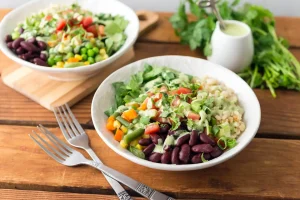
Eating plant-based doesn’t have to be boring or complicated. I’ve personally explored vegetarian and plant-based cooking, and the key is simple, flavorful recipes that provide all the nutrients your body needs. With a variety of grains, legumes, vegetables, and plant-based proteins, you can enjoy meals that are both satisfying and healthy.
In this guide, I’ll share practical vegetarian and plant-based recipes for breakfast, lunch, dinner, and snacks, along with tips for meal planning and variety.
Why Vegetarian & Plant-Based Meals Matter
Plant-based eating has several benefits:
-
Health benefits: Reduces risk of heart disease, diabetes, and certain cancers.
-
Environmental impact: Lower carbon footprint compared to meat-based diets.
-
Nutrient-rich: High in fiber, vitamins, antioxidants, and healthy fats.
-
Weight management: Naturally lower in calories while keeping you full.
Even partial adoption of plant-based meals can boost overall health and energy levels.
1. Vegetarian Breakfast Ideas
A plant-based breakfast should include protein, healthy fats, and complex carbohydrates:
Examples:
-
Chia Seed Pudding: Chia seeds soaked in almond milk, topped with berries and nuts.
-
Avocado Toast with Chickpeas: Mashed avocado and chickpeas on whole-grain bread with herbs.
-
Tofu Scramble: Tofu sautéed with turmeric, spinach, bell peppers, and tomatoes.
-
Overnight Oats: Rolled oats, plant-based milk, fruits, and a sprinkle of seeds or nuts.
Tip: Include plant-based proteins like tofu, nuts, seeds, or legumes to stay full until lunch.
2. Vegetarian Lunch Recipes
Lunch should be light, nutritious, and energizing:
Examples:
-
Quinoa & Black Bean Salad: Quinoa, black beans, corn, tomatoes, and avocado with lime dressing.
-
Lentil Soup: Lentils, carrots, celery, and onions simmered with herbs and spices.
-
Veggie Wrap: Whole-grain tortilla with hummus, shredded vegetables, and leafy greens.
-
Chickpea Buddha Bowl: Roasted chickpeas, quinoa, roasted veggies, and tahini dressing.
Tip: Batch-cook grains and legumes to assemble quick lunches during busy days.
3. Vegetarian Dinner Recipes
Dinner can be hearty and satisfying with plant-based ingredients:
Examples:
-
Stuffed Bell Peppers: Bell peppers stuffed with rice, lentils, and spices, baked until tender.
-
Vegetable Stir-Fry: Mixed vegetables with tofu or tempeh, cooked in garlic-soy sauce.
-
Chickpea Curry: Chickpeas simmered in a tomato-coconut sauce served with brown rice.
-
Zucchini Noodles with Pesto: Spiralized zucchini with homemade or store-bought pesto.
Tip: Focus on colorful vegetables to boost nutrients and visual appeal.
4. Plant-Based Snacks
Healthy snacks are essential for energy and preventing overeating:
Examples:
-
Roasted Chickpeas: Crispy, protein-rich snack seasoned with spices.
-
Fruit & Nut Mix: Dried fruits, almonds, cashews, and pumpkin seeds.
-
Veggie Sticks with Hummus: Carrot, cucumber, or bell pepper slices with hummus dip.
-
Energy Balls: Dates, nuts, and cocoa blended and rolled into small bites.
Tip: Keep snacks pre-portioned in containers for grab-and-go convenience.
Practical Tips for Plant-Based Cooking
-
Include protein in every meal: Tofu, tempeh, lentils, beans, or nuts.
-
Focus on variety: Rotate grains, vegetables, and legumes for balanced nutrition.
-
Use herbs and spices: Enhance flavor without extra calories.
-
Batch cook basics: Grains, beans, and roasted vegetables save time for quick meals.
-
Experiment with textures: Roasted, steamed, sautéed, or raw vegetables keep meals interesting.
Even simple planning ensures plant-based meals are satisfying, nutritious, and easy to prepare.
Common Mistakes to Avoid
-
Relying too much on processed meat alternatives: Focus on whole foods instead.
-
Neglecting protein: Include legumes, tofu, nuts, or seeds in every meal.
-
Eating the same vegetables repeatedly: Variety improves nutrition and taste.
-
Ignoring healthy fats: Include avocado, olive oil, or nuts for energy and satiety.
Avoiding these mistakes makes plant-based meals more balanced and enjoyable.
Real-Life Example
I used to struggle with vegetarian dinners that felt repetitive. By batch-prepping grains, roasting different vegetables, and trying legumes in new recipes, I created a variety of quick and satisfying plant-based meals. Now, plant-based eating feels effortless, colorful, and full of flavor.
FAQs
1. Can I get enough protein on a vegetarian diet?
Yes, by including legumes, tofu, tempeh, nuts, seeds, and whole grains.
2. Are vegetarian meals suitable for weight management?
Absolutely. They are naturally lower in calories, high in fiber, and keep you full longer.
3. Can I make vegetarian meals in under 30 minutes?
Yes, with batch-cooked grains and pre-chopped vegetables, many meals take 20–30 minutes.
4. How do I avoid monotony in plant-based meals?
Rotate vegetables, grains, legumes, and seasonings to create variety.
5. Are plant-based snacks enough for energy between meals?
Yes, choose protein-rich options like nuts, seeds, roasted chickpeas, or energy balls.
Conclusion
Vegetarian and plant-based recipes are delicious, nutritious, and versatile. By including legumes, grains, vegetables, and healthy fats, you can enjoy balanced meals that energize your body and support long-term health.
Start today: try one plant-based recipe for breakfast, lunch, or dinner. Gradually, these habits will make plant-based eating easy, exciting, and sustainable, without ever feeling restrictive.